What is chronic kidney disease (CKD)?
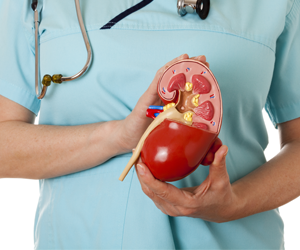
Chronic kidney disease (CKD), also called “chronic kidney failure,” happens when kidneys can no longer fully clean toxins from the blood, causing a buildup of waste in your body. This can happen suddenly or over time.
Healthy kidneys remove toxins from the blood, help control blood pressure, keep body chemicals in balance, keep bones strong (prevent metabolic acidosis), tell your body to make red blood cells, keep potassium levels in check, and help children grow normally. Learn more about how healthy kidneys work here.
Chronic kidney disease (CKD), also called “chronic kidney failure,” happens when kidneys can no longer fully clean toxins from the blood, causing a buildup of waste in your body. This can happen suddenly or over time.
What causes chronic kidney disease?
There are two common diseases that can lead to CKD: diabetes and high blood pressure.
Diabetes
Diabetes is a disease where the body doesn’t produce enough insulin to break down the sugar from food. The excess sugar (also known as “glucose”) remains in the bloodstream. High levels of glucose can damage the tiny blood vessels in your kidneys. This can lead to a condition called “diabetic nephropathy.”
High Blood Pressure
Another leading cause of CKD is hypertension, or high blood pressure. When blood pressure is high and untreated, it can damage the blood vessels that carry blood throughout the body. Kidneys have small blood vessels that can become damaged by high blood pressure, which can lead to CKD.
What are the symptoms of chronic kidney disease?
Knowing the symptoms of chronic kidney disease can help you detect it early enough to get treatment. Symptoms can include:
- Changes in urination — making more or less urine than usual, feeling pressure when urinating, changes in the color of urine, foamy or bubbly urine, or having to get up at night to urinate.
- Swelling of the feet, ankles, hands or face — caused by a buildup of fluid in the body.
- Fatigue or weakness — a buildup of wastes or a shortage of red blood cells (anemia) can cause these problems when the kidneys begin to fail.
- Shortness of breath — kidney failure is sometimes confused with asthma or heart